Two buyers walk into escrow on the same week in Wildomar, both approved for roughly $650,000, both convinced they understand what that number buys. One closes in five weeks with a single wire transfer and a smile from the loan officer. The other spends six of those weeks waiting on a well flow test, a septic certification, and a lender who wants proof the property still counts as rural. Same city. Same price range. Two completely different transactions.
The gap between them has almost nothing to do with negotiating skill or how badly either buyer wanted the house. It comes down to two things most buyers never think to ask about until they are already under contract: what the property sits on, and which loan program is paying for it.
One Median Price, Two Very Different Housing Stocks
As of August 10, 2026, Wildomar's median list price sat right around $649,500, with price per square foot running somewhere between $283 and $314 depending on which tracking service you check, and homes spending roughly nine to ten weeks on market before going pending. Zillow's separate home value estimate for the same period landed lower, at $611,520, down 3.7% year over year. That gap between a list-price median and a broader value estimate is not a contradiction. It is a hint. Wildomar's housing stock is not one market wearing one price tag. It is two markets, blended into a single number that flattens the difference.
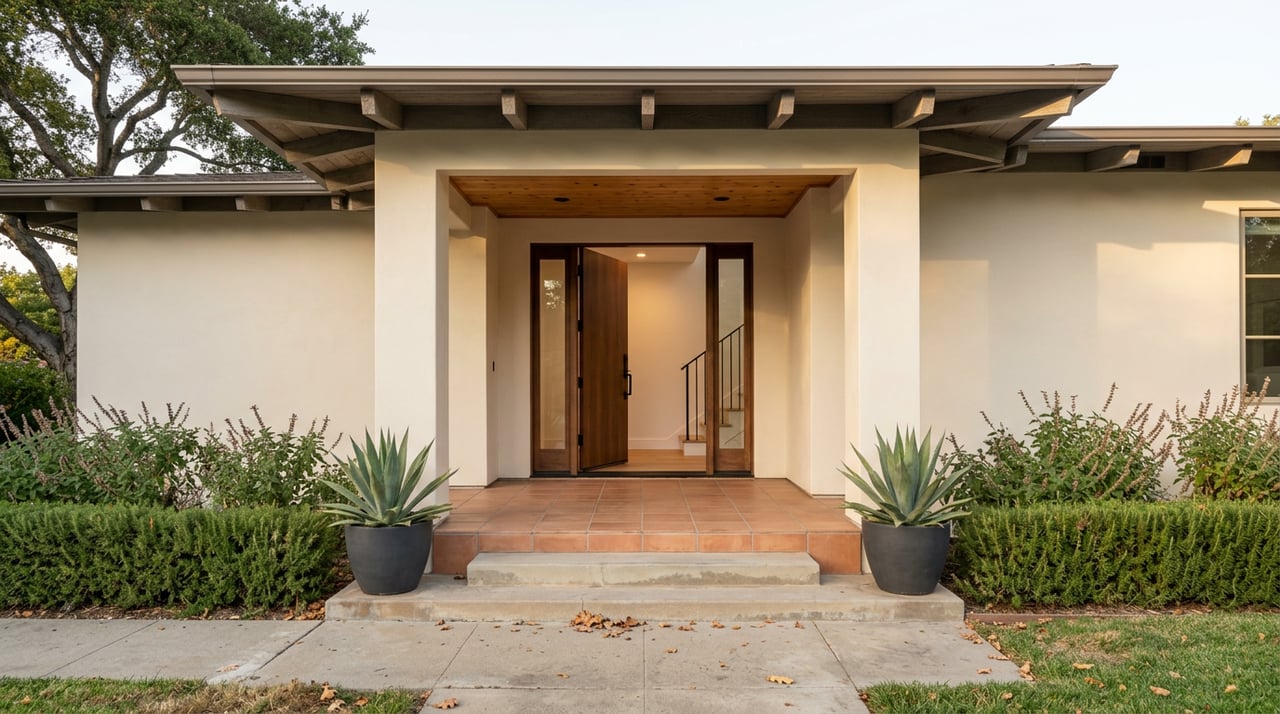
The first market is the one most buyers picture: modern tract homes on quarter-acre lots, connected to city water and sewer through Elsinore Valley Municipal Water District, priced close to that per-square-foot figure above.
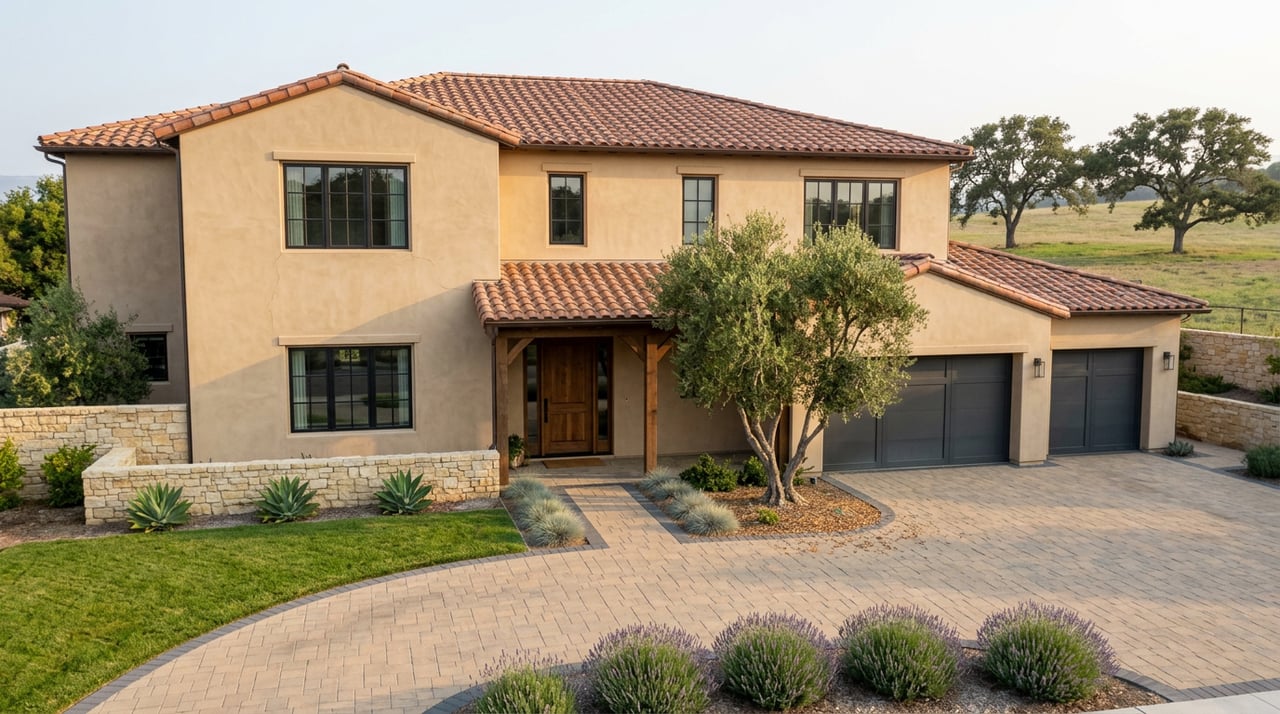
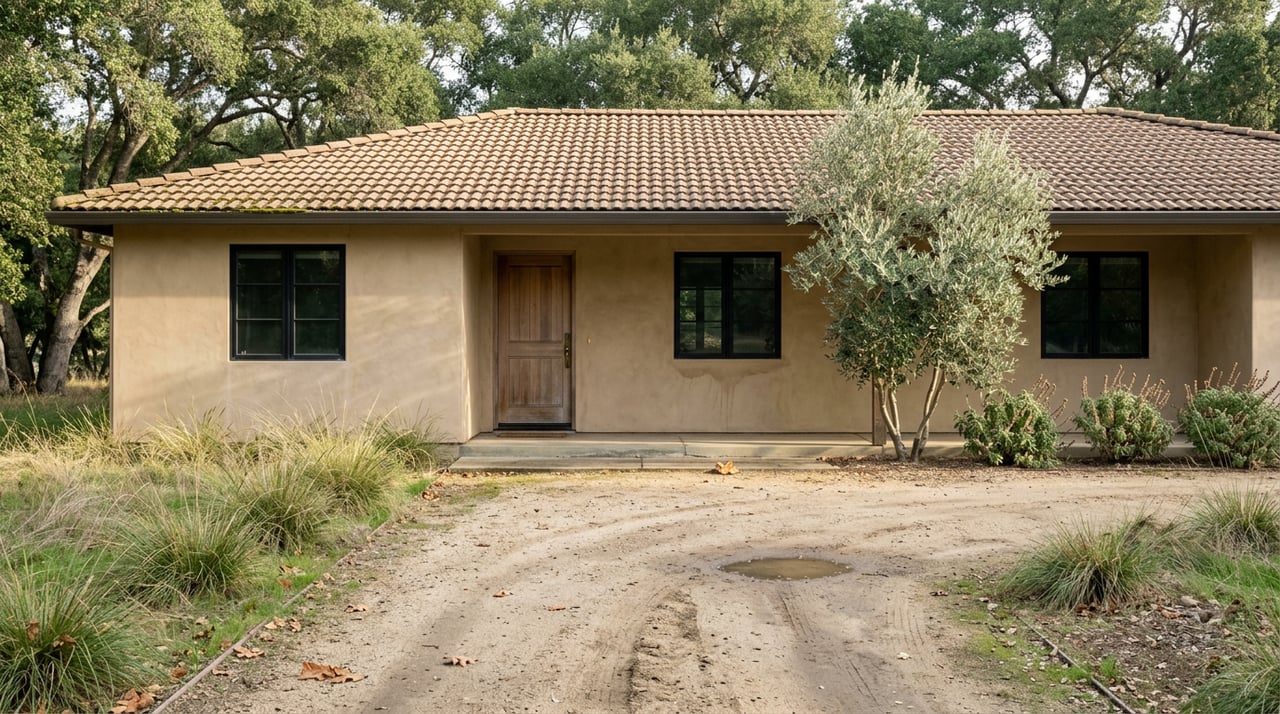
The second market is acreage. Wildomar still carries a meaningful inventory of horse properties and larger parcels, the kind zoned for the equestrian, semi-rural lifestyle the city has never fully traded away for tract housing. Active horse property listings in and around Wildomar have averaged roughly $1.34 million, with land itself pricing out at an average of about $442,700 per acre. Fold enough of those into a citywide median and the number moves. Leave enough of them out and it moves back. The median is real. It is also an average of two products that do not behave the same way once you get to underwriting.
What Riverside County's R-A Zoning Actually Allows
Wildomar's semi-rural character is not just a marketing phrase. It is written into Riverside County zoning code. Under the county's R-A designation, which covers much of Wildomar's larger-lot inventory, the rules work like this:
- Lots must be at least 20,000 square feet and 100 feet wide to keep horses at all.
- Owners can keep two horses on a 20,000-square-foot lot, and two more for each additional acre beyond that.
- Horses must be kept, fed, and maintained at least 50 feet from any residence that existed before the animals arrived.
That last rule matters more than it looks. It means a buyer's ability to actually use a property the way the listing photos imply, horses grazing near a barn, a small hobby setup, depends on where the existing house sits relative to the lot line, not just on the acreage total. Two five-acre parcels can allow very different numbers of animals depending on how the original home was sited decades ago. This is the kind of detail that shows up in a Riverside County Planning Department zoning report, not in a listing description.
The Real Fork in the Road Is Your Loan, Not Your Down Payment
Here is the part that actually explains the two very different closings. Once a property is on well water or a septic system, which describes most of Wildomar's acreage inventory, the loan program a buyer chooses determines how much friction shows up between contract and keys.
| Loan Type | Well Water Requirement | Septic Requirement |
|---|---|---|
| Conventional | No mandatory test unless the purchase agreement, seller, inspector, or appraiser flags an issue | Same as well: inspected only if a problem is suspected or observed |
| FHA | Water test required, well must deliver at least 3 gallons per minute continuously | Septic must be certified functional, with required separation distances between tank and water supply |
| VA | Water test always required, valid for 90 days | No mandatory septic test unless an issue is noted |
| USDA | Water quality test required for any well-served property | Generally follows FHA standards |
A buyer financing conventionally can often move through underwriting without ever ordering an independent well or septic inspection, unless someone in the transaction raises a flag. A buyer using FHA or USDA financing is locked into water testing and septic certification as a condition of closing, full stop, regardless of how the property looks or how the seller describes it. That is not a minor paperwork difference. It adds time to the timeline, adds cost most buyers do not budget for upfront, and in a market where wells and septic systems are decades old, it occasionally surfaces a repair that has to happen before the loan can fund at all.
This is why two buyers at the same price point can have wildly different experiences. The house was never the variable. The loan program was.
The USDA Wrinkle Almost Nobody Checks Until It's Too Late
There is a second layer to this that catches buyers specifically chasing zero-down financing. USDA Rural Development loans require the property sit inside a federally defined eligible area, and those boundaries are not fixed. They get redrawn as population data comes in, and Riverside County's rapid growth over the past decade and a half has already reshaped them once. Wildomar was among the Riverside County communities named when a prior boundary update, tied to 2010 Census data, pulled areas out of USDA eligibility as the region urbanized.
Eligibility maps update again as new census figures roll in, which means the honest answer to "is this address USDA eligible" is never last year's blog post. It is whatever the live USDA property eligibility map says the day a buyer runs the address. For anyone specifically hoping to pair Wildomar's rural feel with USDA's no-down-payment terms, that check needs to happen before falling in love with a listing, not after an offer is already written.
What This Means If You're Choosing Between a Tract Home and Acreage
None of this means acreage in Wildomar is a bad move, or that FHA and USDA buyers should avoid it. It means the decision tree looks different depending on what a buyer is financing with.
A buyer using conventional financing has real flexibility to consider a well and septic property without expecting major friction, as long as no one involved in the transaction raises a red flag along the way. A buyer relying on FHA or VA financing should plan for water testing and, on the FHA side, septic certification as a built-in part of the timeline, and should ask for well and septic history early rather than after the appraisal comes back. A buyer hoping to use USDA financing on a semi-rural Wildomar parcel needs to verify current eligibility before writing an offer, since that status can shift with each map update.
The property itself, the zoning that allows two horses per acre beyond that first 20,000 square feet, the fifty-foot setback from existing structures, stays the same regardless of financing. What changes is how quickly and cleanly a buyer gets from contract to close, and that difference is decided at the lender's desk, not at the kitchen table during a walkthrough.
Frequently Asked Questions
Does a conventional loan mean I can skip a well and septic inspection entirely? Not skip it, exactly. Conventional guidelines through Fannie Mae and Freddie Mac do not mandate a test unless the purchase agreement flags a concern, the seller or inspector raises one, or the appraiser notices something like visible septic discharge. Ordering an independent inspection anyway is still a reasonable step for protecting the investment, even when the lender does not require one.
If I'm buying acreage in Wildomar, who do I contact about septic approval? Septic system approval for Wildomar properties runs through the Riverside County Department of Environmental Health, separate from the city's own building and permitting process. Water meter and service questions go through Elsinore Valley Municipal Water District, which serves as the water and sewer purveyor for the city.
How many horses can I actually keep on a typical Wildomar acreage lot? Under R-A zoning, a lot of at least 20,000 square feet allows two horses, with two additional horses permitted for each additional acre beyond that first 20,000 square feet, provided the animals are kept at least 50 feet from any residence that existed before the horses did.
Wildomar's market rewards buyers who ask about the plumbing before they ask about the paint color. If you are weighing a tract home against a horse property, or trying to figure out which loan program actually fits the parcel you want, The Ashley Cooper Team can walk through the zoning, the water source, and the financing path together before you write an offer. Get your free home valuation and let's talk through what your budget actually buys in Wildomar right now.