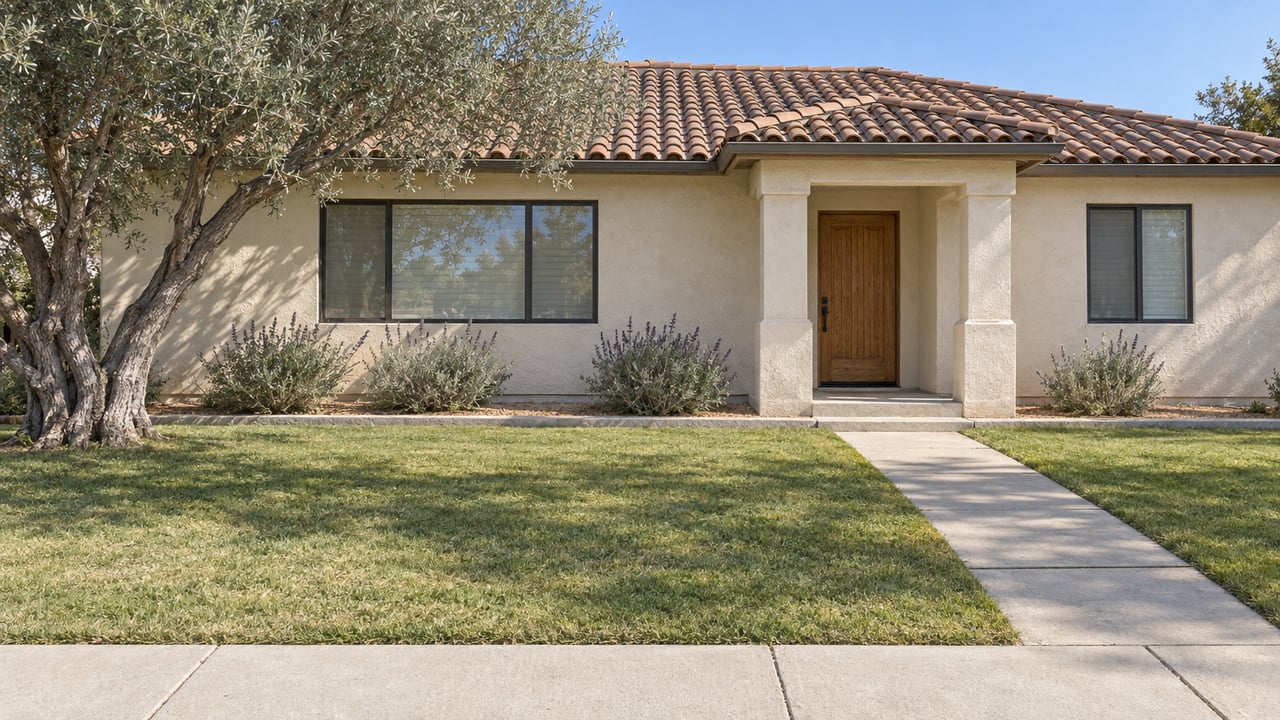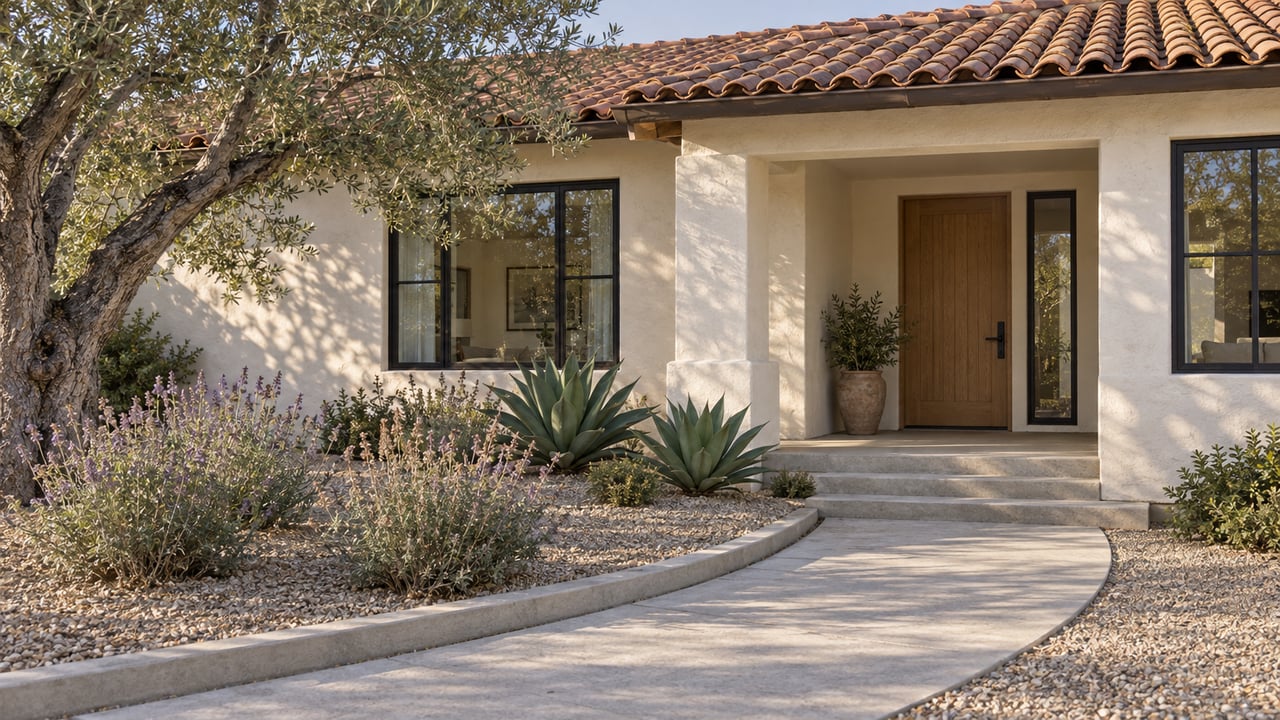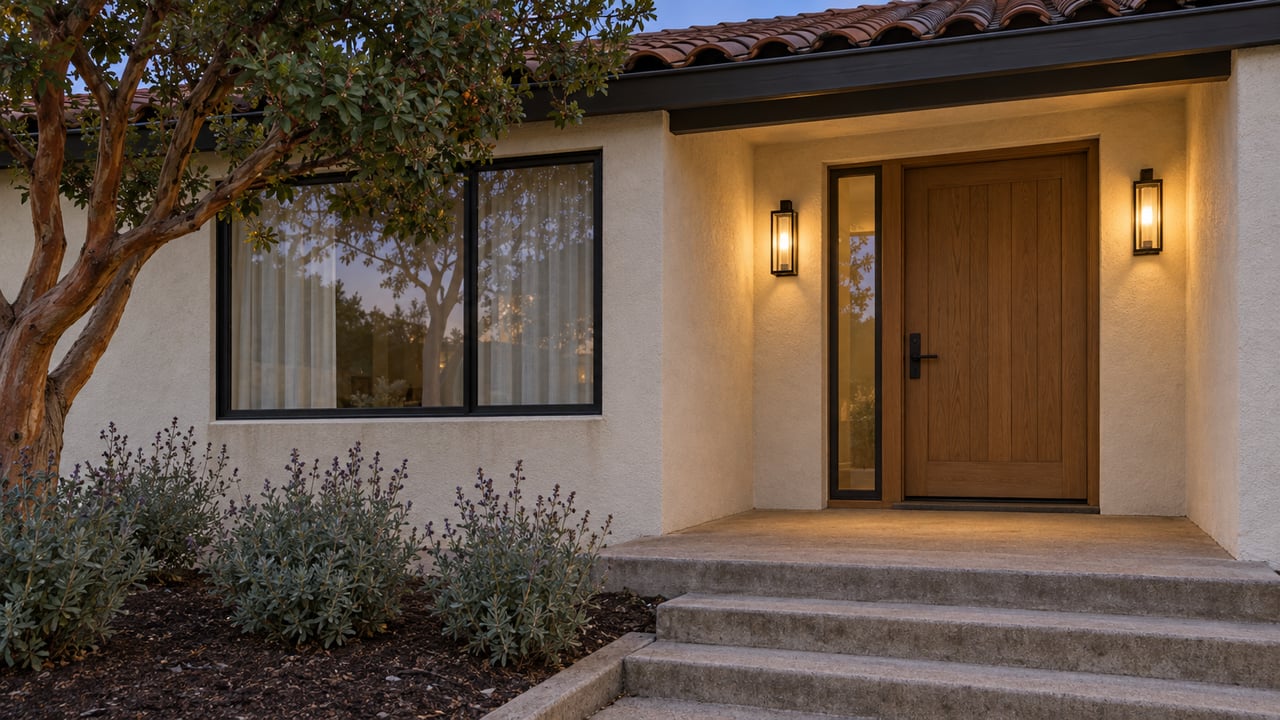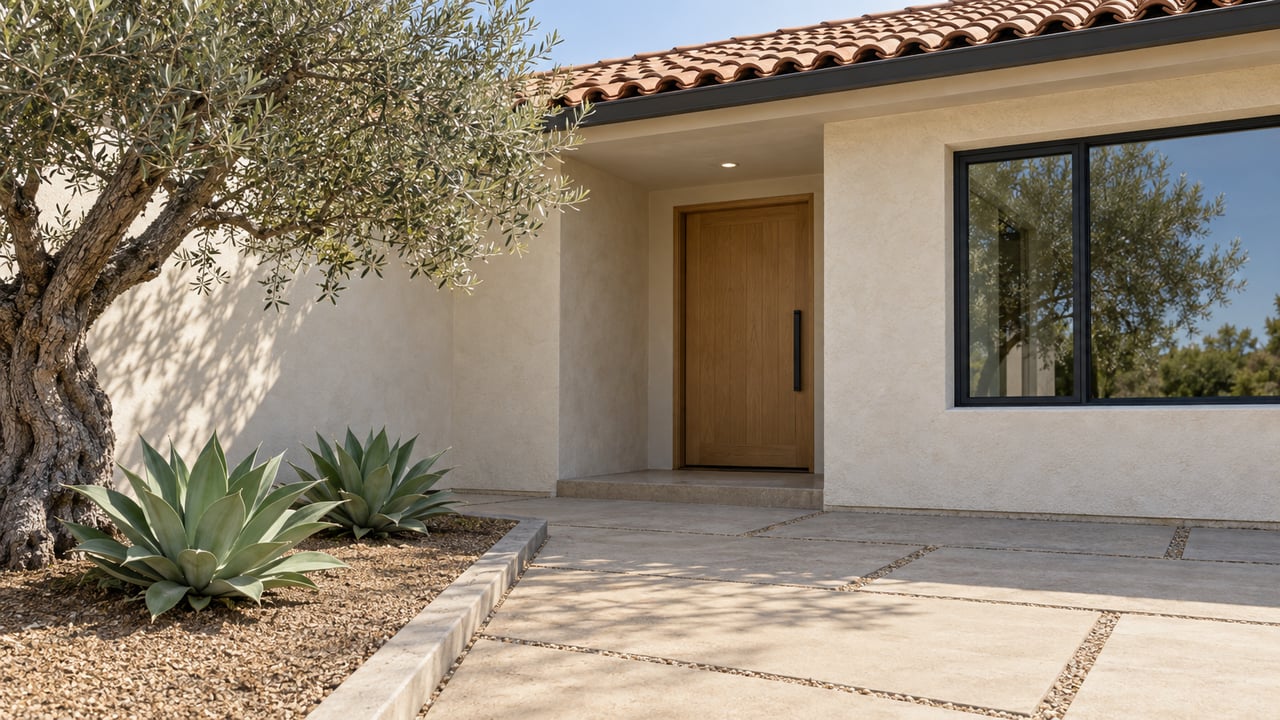
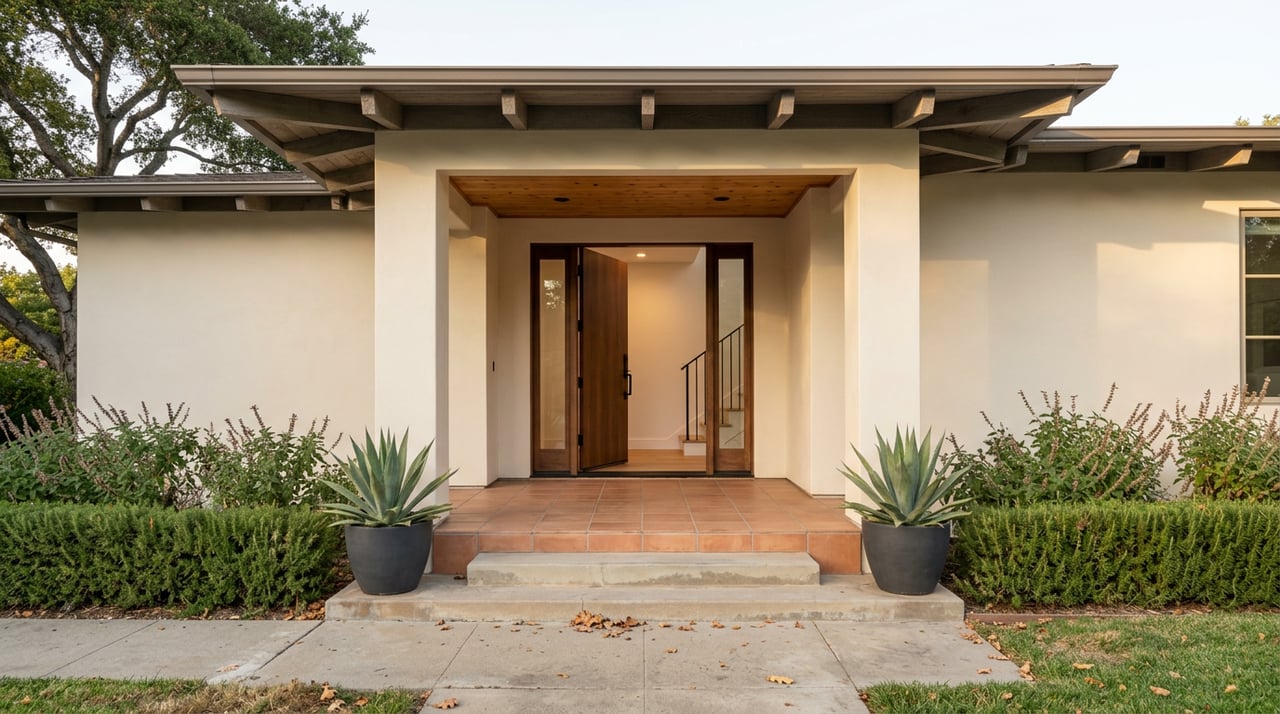
A buyer in Central Corona falls for a repainted 1962 ranch with refinished floors and a new quartz counter, writes a strong offer, and gets a full-price acceptance within a week. Everything about the walkthrough said this house was ready. The kitchen never lied to anyone. The pipe nobody could see just wasn't part of the conversation yet.
That sequence is the thing worth understanding before you write an offer, or before you list, on one of Corona's older streets. The risk in this housing stock doesn't show up on the walkthrough and it doesn't always show up on a standard home inspection either. It shows up at the appraisal, which for FHA buyers is a separate checkpoint from the inspection, with its own rules, and it can stall a closing that looked clean a week earlier.
The Appraisal Catches What the Walkthrough Can't
Most buyers assume plumbing problems get caught by the home inspector, if they get caught at all. For conventional financing that's roughly true. The appraiser is there to confirm value, and beyond flagging obvious defects, plumbing condition mostly stays out of the appraisal report.
FHA loans work differently. The FHA-approved appraiser is completing a Minimum Property Standards review at the same visit, and current FHA guidance is specific about older supply lines. Galvanized piping with visible corrosion or documented pressure complaints typically requires remediation before the loan can close, according to FHA appraisal standards published this year. That's not a home inspector's judgment call. It's a lender-facing requirement that can halt the file.
The distinction matters because it changes when the surprise lands. A cash buyer or a conventional buyer might not discover a plumbing issue until the inspection contingency period, when there's still room to negotiate. An FHA buyer can discover it during the appraisal, sometimes after the inspection window has already closed, which means less leverage and less time.
Why Corona's Older Blocks Carry This Risk
This isn't a citywide issue. It's specific to a housing generation, and Corona has a lot of it.
Central Corona's residential stock is largely original construction from 1940 through 1969. North Corona's single-family homes are mostly ranch and split-level designs built from the mid-1960s through the 1990s, on roughly quarter-acre lots. La Corona traces to 1971. These are the streets closest to the Grand Boulevard Circle and North Main, the older core that gives Corona its Circle City nickname, and they sit apart from the newer master-planned communities like Sycamore Creek, Dos Lagos, and Eagle Glen in South Corona, where most homes were built with copper or PEX from day one and carry HOA dues instead of plumbing questions.
Homes from this older era were commonly built on slab foundations with galvanized steel supply lines, and Corona-based repiping contractors report that many of these properties now run mixed systems, original galvanized sections feeding into newer copper or plastic runs added during past repairs. Because the supply lines sit under a poured slab rather than in an accessible crawlspace, a slow leak can go undetected for a long stretch before it surfaces as a stain, a pressure drop, or a spike in the water bill. The corrosion that eventually catches an FHA appraiser's attention is often years in the making and invisible the whole time.
What a Walkthrough and a Standard Inspection Actually Miss
A general home inspection checks visible plumbing, fixtures, and obvious signs of leaks, but it typically doesn't include a camera run through the sewer lateral, and it can't see inside a wall or under a slab any more than a buyer can. Local plumbing contractors who work on these older Corona blocks routinely find blockages, root intrusion, and interior pipe deterioration only after a sewer-scope camera goes into the line, which is an add-on many buyers skip because it isn't standard.
That's the gap. A buyer can get a passing inspection report and a clean walkthrough on a beautifully staged older home and still be looking at a corroded supply line that a general inspector wasn't scoped to evaluate; a sewer camera may reveal problems in the sewer lateral. For a cash or conventional buyer, the supply-line issue is a maintenance conversation.
The Renovated-Versus-Original Price Gap Is Pricing More Than Finishes
Recent listing data for North Corona shows a real split. Homes from this era that haven't been updated have been trading in the roughly $650,000 to $750,000 range, while renovated homes in the same neighborhood have been trading closer to $800,000 to $900,000. The instinct is to read that gap as kitchen and bathroom finishes. Paint, counters, flooring.
But a genuine renovation on a home this age usually includes a repipe, because contractors doing real work behind the walls address the supply lines while they're already open. That means the roughly $150,000 spread between original-condition and renovated comps in North Corona isn't purely cosmetic. Part of what a buyer is paying for in the renovated column is a plumbing system that won't trip an FHA appraisal, and won't turn a 30-day escrow into a 45-day one while a contractor's invoice works its way through underwriting. The original-condition homes carry a real discount, and part of what that discount buys is unresolved risk, not just dated finishes.
What This Means If You're Buying or Selling in These Neighborhoods
If you're selling an original-condition home in Central Corona, North Corona, or La Corona, a few things are worth doing before you list rather than after you're in contract:
- Find out what's actually in your walls. A repipe history, a plumber's invoice, or even knowing the supply line material changes how you price the home and how you talk about it with buyers.
- If the home has never been repiped, expect FHA buyers to encounter the appraisal flag, and decide in advance whether you're willing to handle remediation to keep that segment of the buyer pool.
- A sewer-scope inspection before listing, not after an offer comes in, gives you the option to disclose proactively instead of renegotiating from a weaker position mid-escrow.
If you're buying in this same housing stock, especially with FHA financing, ask about supply line material before you write the offer, not after the appraisal comes back. Budget time for a sewer scope even though it isn't part of a standard inspection package. And build a longer closing timeline into your expectations if remediation documentation turns out to be necessary. None of this should scare you off an older Corona home. These streets offer larger lots, established trees, and a different rhythm than the newer HOA communities to the south. It just means the real due diligence happens below the slab, not on the surface.
Frequently Asked Questions
Does a home need to be fully repiped to pass an FHA appraisal? Not always. The FHA standard focuses on visible corrosion or documented pressure problems. A galvanized system in sound condition with no active issues may not trigger a required repair, but once corrosion is visible or pressure complaints are on record, remediation typically becomes a condition of funding.
Is a sewer-scope inspection part of a standard home inspection? It's an add-on to a standard home inspection, which is why many buyers skip it. On slab-foundation homes from this era, it's one of the few ways to see inside the line before a problem becomes a leak.
What should sellers know about property-condition disclosures? California has disclosure requirements about property condition.
If you're weighing whether to repipe before listing an older Corona home, or you're comparing an original-condition property against new construction in South Corona, The Ashley Cooper Team can walk you through what buyers in this price range are actually asking for and what it takes to get your home financing-ready before it hits the market. Get your free home valuation and let's talk through the specifics of your street.
This article is general information, not legal, tax or financial advice. Consult a qualified professional about your situation.