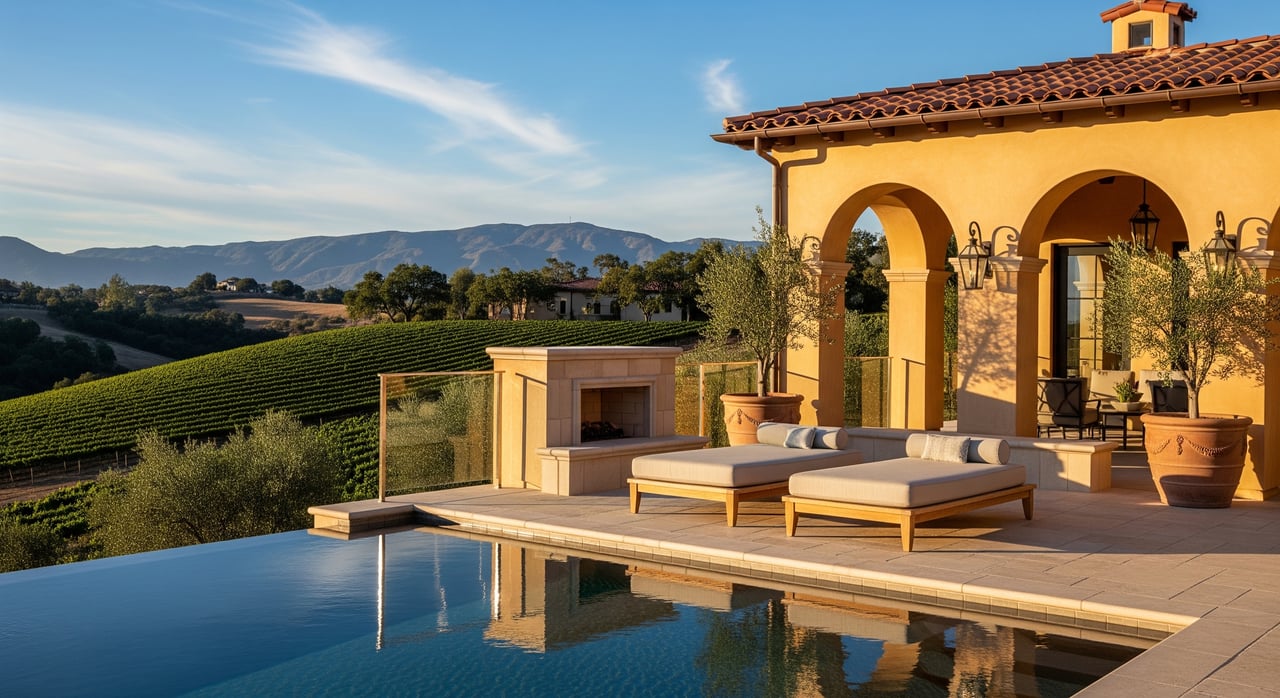
Thinking about trading city noise for vineyard views and weekend tastings? If Temecula Wine Country is on your radar, you are not alone. Many buyers love the blend of open space, suburban comfort, and a lively food‑and‑wine scene. In this guide, you will learn how daily life works, which home settings to consider, and what to check before you buy. Let’s dive in.
Wine country at a glance
Temecula sits in southwestern Riverside County, anchored by rolling vineyards and a growing suburban core. You get warm, dry summers and mild winters, which support outdoor living and year‑round winery events. For city services, parks, and local updates, the City of Temecula is a helpful starting point.
If you want a high‑level data snapshot of the community, explore the U.S. Census QuickFacts for Temecula. It offers population, housing, and commute summaries that can help you compare Temecula with nearby markets.
Neighborhoods near the vineyards
Living “in wine country” can mean different things. Your choice often comes down to how close you want to be to the vines versus day‑to‑day conveniences.
Vineyard‑adjacent estates
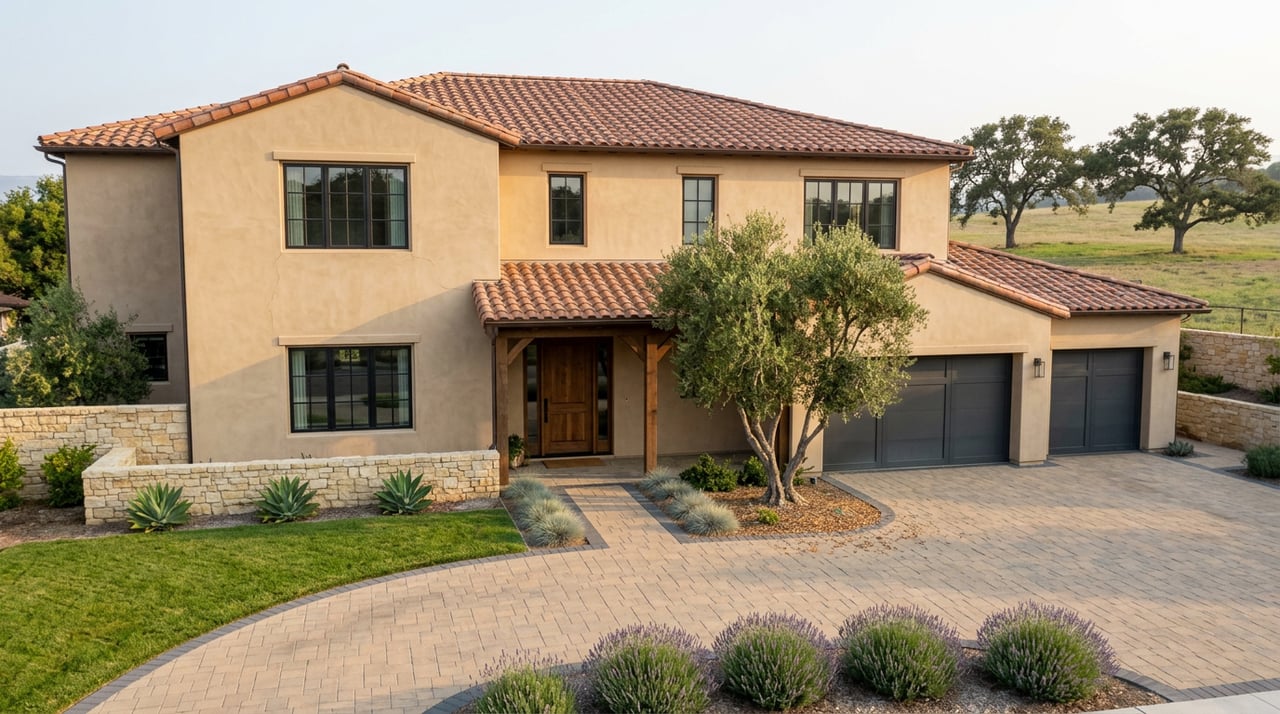
These homes sit along corridors like Rancho California Road and into the Pauba Valley. You may find larger lots, ranch‑style properties, and estate homes with panoramic views. Some parcels have agricultural or rural residential zoning, so always review permitted uses if you plan to farm, keep animals, or plant vines.
Gated and golf communities
Master‑planned neighborhoods near Redhawk Golf Course and similar developments offer amenities, sidewalks, and HOA oversight. You may get vineyard views without managing acreage. These areas work well if you want a suburban layout with predictable maintenance and community standards.
Central and Old Town Temecula
Old Town blends historic character with restaurants, shops, and a walkable main street. You will be a short drive to tasting rooms and seasonal events. This setting suits buyers who value a lively core and easy access to dining and entertainment.
South and West Temecula tracts
Newer single‑family neighborhoods offer modern floor plans and community parks. Lot sizes tend to be smaller, which can reduce yard work. You trade vineyard proximity for quicker drives to schools, shopping, and commuter routes.
Homes, lots, and utilities
Wine‑country housing ranges from traditional single‑family homes to ranchettes and estate properties. Acreage, views, and proximity to wineries tend to push prices higher, while homes farther from the vineyard corridors often offer more predictable suburban value.
Utilities and services
In rural pockets, you may see a mix of municipal and on‑site systems. Some properties use city water and sewer, while others rely on septic systems or private wells. Confirm providers and costs early. For water service boundaries and rates, check the Eastern Municipal Water District.
Internet and cell coverage
Urban and suburban areas generally have multiple broadband options. Rural parcels may have limited wired choices and rely on satellite or fixed wireless. If remote work is important, verify provider availability at the address and ask about speed tiers.
Zoning and permitted uses
If you plan to plant vines, host events, or add structures like barns or ADUs, review zoning and permit rules. The Riverside County Planning Department publishes zoning information, application steps, and development standards. This will help you understand what is allowed on a given parcel before you write an offer.
Daily life: schools, commute, and essentials
Schools and programs
Most public schools in the area are operated by the Temecula Valley Unified School District. Boundaries, enrollment steps, and program details are available on the Temecula Valley Unified School District website. Families often ask about proximity to campuses, after‑school activities, and traffic patterns during pick‑up and drop‑off times.
Commute and transportation
Interstate 15 is the main commuter artery running north toward the Inland Empire and south toward North County San Diego. Drive times change with direction and time of day, so check typical timing during your personal schedule. Local and regional bus connections are available through the Riverside Transit Agency.
Healthcare, groceries, and services
You will find hospitals, urgent care centers, and clinics in Temecula and nearby cities. Daily needs are covered by grocery chains, neighborhood retail, and Old Town shops. Rural homes can involve longer drives for errands, so measure the distance from your short list of properties to the places you visit most.
Safety and wildfire awareness
Portions of the vineyard and foothill areas sit near the wildland‑urban interface. Review local hazard maps and talk with your insurance carrier about coverage and premium impacts. Cal Fire offers statewide mapping and preparedness resources, including the Fire Hazard Severity Zone maps.
Weekends and lifestyle
Wineries and tasting rooms
Temecula’s wineries range from boutique producers to larger estates with restaurants and outdoor venues. For a current list of tasting rooms and event updates, the Temecula Valley Winegrowers Association is a trusted resource. Hours and offerings change seasonally, so plan ahead.
Dining, shopping, and entertainment
Old Town Temecula hosts restaurants, craft breweries, and local boutiques, while regional venues add concerts and special events throughout the year. To track festivals, farmers markets, and seasonal happenings, follow Visit Temecula Valley.
Outdoor recreation
Beyond wine tasting, you will find hiking, cycling, golf, parks, and early‑morning hot‑air ballooning over the valley. Many neighborhoods have community parks and youth sports programs that anchor weekend routines for families.
Community rhythms to expect
Wine‑country living blends quiet weekdays with busier weekends. During event seasons, you may notice increased traffic on winery corridors and occasional evening noise. Visit candidate neighborhoods on different days and times to get a realistic feel for the pace.
Buying checklist for wine country
Use this quick list to focus your due diligence when a home catches your eye:
- Utilities and connections: Confirm water provider, sewer versus septic, power, and trash service. Ask for recent utility bills when possible.
- Internet and cell coverage: Verify providers and speeds at the address, especially if you work from home.
- Zoning and uses: Check whether the parcel is agricultural or residential and what that allows. Start with the Riverside County Planning Department if you plan vines, events, or new structures.
- HOA rules and fees: Review CC&Rs, parking rules, pet policies, and monthly dues for gated or planned communities.
- Wildfire readiness: Review defensible space requirements, structure hardening, and evacuation history. Confirm insurability and estimated premiums.
- Wells and water rights: If the property uses a well, request recent yield tests and any maintenance records. Ask about irrigation plans for landscaping or vines.
- Site constraints: Check slope stability, drainage, and grading limits. Review any floodplain disclosures.
- Property taxes: California’s Prop 13 framework typically sets a base near 1 percent plus local assessments. For parcel specifics, consult the Riverside County Assessor.
Costs and insurance notes
Vineyard‑view homes and acreage often carry price premiums compared with similar homes farther from the winery corridors. Maintenance can also run higher, especially if you manage landscaping, fencing, or agricultural operations. If your home is in a higher wildfire‑risk area, talk to multiple insurers and get quotes early, since underwriting rules and premiums can change.
Who wine country fits
If you want a calmer daily pace, scenic views, and a weekend lifestyle built around food, wine, and outdoor time, Temecula Wine Country fits well. Families appreciate the suburban infrastructure and community programs, with a range of school options in TVUSD. Professionals who commute should test their routes and also confirm reliable home internet.
How to start your search
Create a short list of neighborhoods based on your priorities: views, lot size, commute, or walkability to Old Town. Tour on weekdays and weekends to compare traffic and noise. Pull utility details, double‑check zoning, and confirm insurance before making an offer. A local team can coordinate these steps and help you spot tradeoffs that are easy to miss online.
If you want a clear plan and on‑the‑ground advice, reach out to The AshleyCooper Team. We live and work here, and we are ready to help you match the right home with the lifestyle you want.
FAQs
What does “Temecula Wine Country” include?
- It generally refers to the cluster of vineyards, tasting rooms, and rural estates around Rancho California Road, De Portola, and the surrounding valley; the Temecula Valley Winegrowers Association maintains current winery listings and events.
Are there HOAs near the vineyards in Temecula?
- Yes, several gated and master‑planned communities sit within a short drive of tasting rooms; always review CC&Rs, parking rules, and fees with your offer.
How do I check school options in Temecula?
- Start with the Temecula Valley Unified School District for boundary maps, enrollment steps, and program information; options and performance vary by school.
What should I know about wildfire risk in wine country?
- Review the Cal Fire Fire Hazard Severity Zone maps, plan for defensible space, and get early quotes from insurers if the property sits near wildland areas.
Which agencies can confirm utilities and permits?
- Water service maps and rates are available from the Eastern Municipal Water District, and zoning or permit questions can start with the Riverside County Planning Department; for taxes, consult the Riverside County Assessor.